

Disruption is no longer an exception in global logistics — it is the baseline. Resilient supply chains balance cost efficiency with redundancy, visibility, and partners who can pivot when a lane closes overnight.
Diversify your transport modes
Relying on a single mode — ocean-only or air-only — leaves you exposed when capacity tightens. Hybrid strategies that combine ocean freight for baseline volume and air freight for critical SKUs give you flexibility without doubling spend across every shipment.

Invest in real-time visibility
You cannot respond to delays you cannot see. Unified tracking across carriers, customs events, and last-mile partners lets your team intervene early — rerouting, expediting, or notifying customers before a missed SLA becomes a support crisis.
Build regional buffer stock
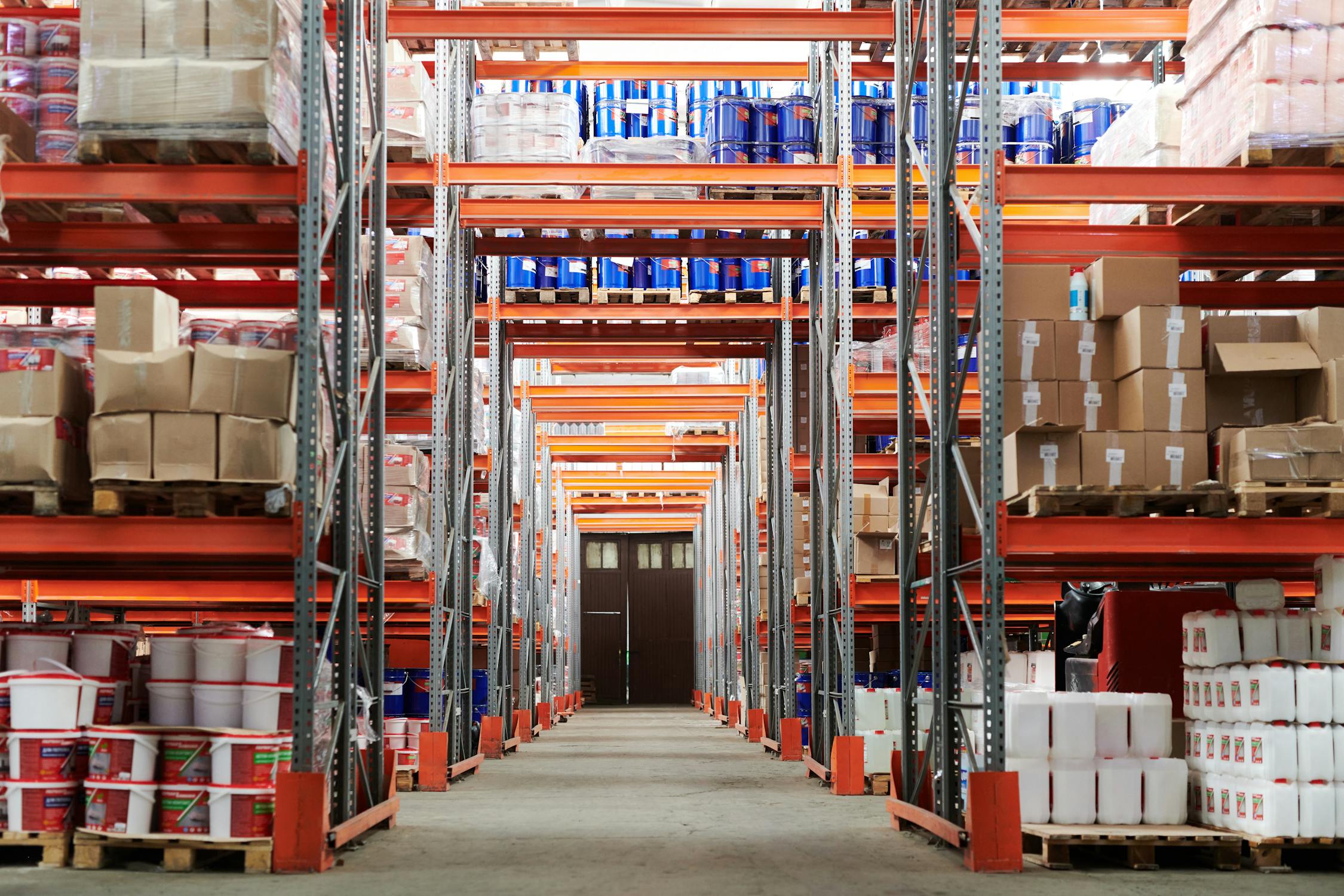
Strategic warehousing near your largest demand centers shortens recovery time when primary lanes stall. Even modest safety stock in a regional hub can keep fulfillment running while international backlogs clear.
Remember
Resilience is not about eliminating risk — it is about designing a network that absorbs shocks without breaking your customer promise.

